...within a corporate organization is based on the relentless pursuit of efficiency, productivity and effectiveness in all aspects of the business.
This requires a company culture that promotes continuous improvement of processes, systems and workflows in order to achieve maximum performance, employee and customer satisfaction while minimizing waste and costs.
Operational Excellence (OPEX) is not just a buzzword, but a strategic approach that helps companies continuously improve their core processes. At IQX GmbH, we understand OPEX as a holistic approach aimed at optimizing efficiency and effectiveness along the entire value chain. From production to administrative processes, we help companies perfect their business processes and thereby gain a competitive edge.

Your contact:
Klaus Struc
+43 670 4040 340 This email address is protected from spambots. You need JavaScript enabled to view it.
The importance of OPEX for companies
In an increasingly globalized and dynamic economy, continuous development and improvement are crucial for businesses. OPEX provides a framework to achieve this by helping companies standardize their processes, reduce costs, and improve the quality of their products and services. By implementing OPEX, companies can become more flexible and agile, adapting to ever-changing market conditions and ensuring long-term success.
Our tailor-made OPEX solutions
IQX offers tailored OPEX solutions designed to meet the specific needs and challenges of our clients. Our experts work closely with you to develop a customized approach that helps your company achieve its goals and improve performance.
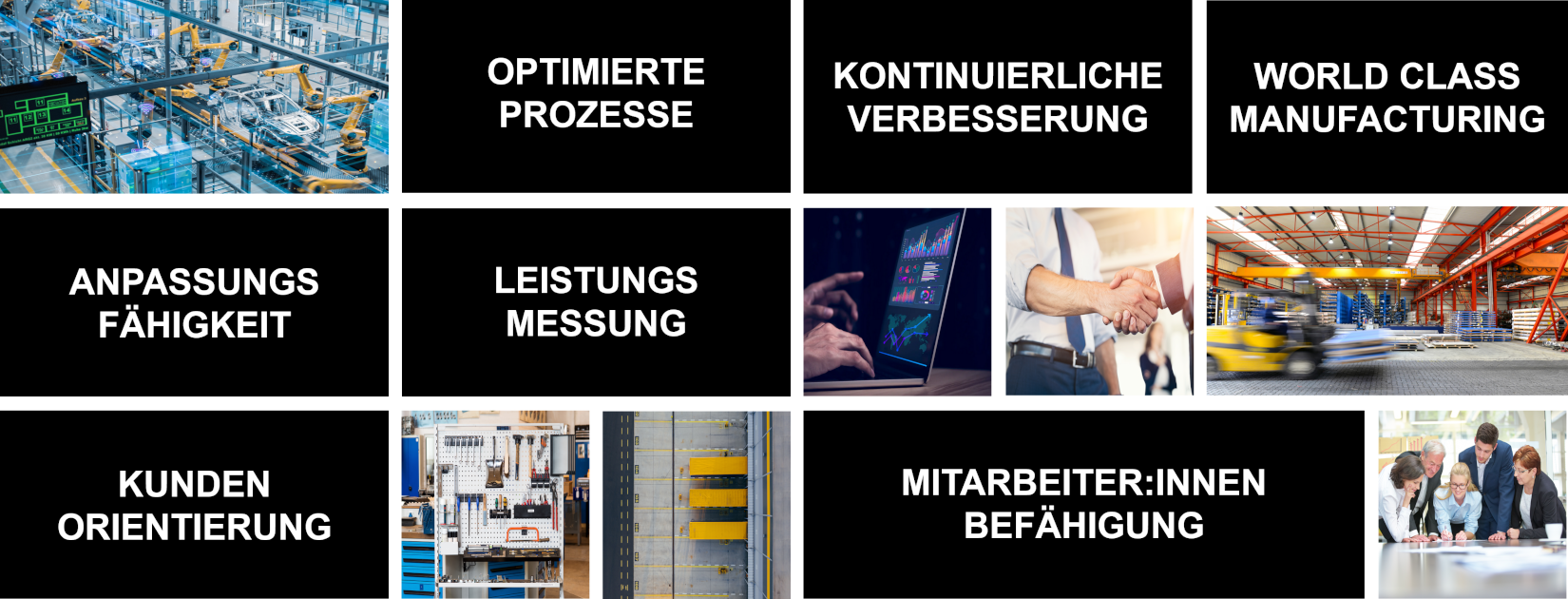
Optimized processes
Development and refinement of processes to avoid unnecessary steps, reduce delays, and optimize resource utilization.
• Optimal process digitization • Process mining • Lean Office • Process and interface management in administration • Building an expert team for OPEX • Digitization and AI implementation where appropriate • Lean Supplier (Effective order and procurement management, pricing, complaints, etc.) • Lean Sales and Key Account (Effective customer communication, forecasting, pricing, etc.)
Continuous improvement
Creating a culture of continuous improvement, in which employees at all levels are empowered to identify inefficiencies and suggest improvements.
• Risk management during product development -> FMEA • Problem-solving management • Poka-Yoke • Kaizen – introduction and promotion of a problem-solving culture • Kata • Introduction and monitoring of consistent action management • Introduction and monitoring of consistent priority management
World Class Manufacturing
Implementation of standardized procedures and "best practices" throughout the company to maximize output and quality in operations.
• Introducing an attitude and mindset towards order and cleanliness • Introducing an attitude and mindset towards sustainability issues • Standardized setup – SMED • Total Productive Maintenance (TPM) • Keeping production flowing • Lean Logistics • Total Quality Management (TQM) • Optimal digitalization in operations
Performance measurement
Introducing a system to create transparency, identify areas for improvement, and track progress.
• Shopfloor Management • The most important control variables for achieving “Operational Excellence” in the listed “control variable classes” • “S” – SAFETY • “Q” – QUALITY • “D” – DELIVERY • “C” – COST • “M” – MORAL • “SUS” – SUSTAINABILITY • Control loop and escalation management (PDCA)
ANALOGUE Shopfloor Management
DIGITAL shop floor management
Employee empowerment
Providing the training, tools and skills that employees need to make decisions and take ownership of their work.
• Development of an efficient team organization • Development and qualification of a high-performing team leader pool • Learning to "see and eliminate" waste • "Agile leadership" • Introduction and strengthening of competency management as a human resource • Clear tasks, competencies, and responsibilities across all roles and employees
Customer focus
Aligning all operational efforts with the needs and expectations of customers in order to deliver products and services that consistently meet or even exceed their requirements.
• Consistent value stream analysis and development (design) • Introduction of organizational value stream responsibility (minimum interfaces) • Optimal order planning and control • Optimal replenishment concepts across all products • Optimal manufacturing processes (flow, cell, U-line production, etc.) • Synchronization of all manufacturing processes to customer requirements (e.g., one-piece flow, etc.)
adaptability
The aim is to create a culture and infrastructure that is able to react quickly to changes in the market, technology or other external factors without sacrificing efficiency or quality.
• Values system within the company (e.g., appreciation, agility, team spirit, etc.) • Professional onboarding • Team meetings • Employee reviews • Employee satisfaction and corresponding feedback loops (impulse surveys, employee satisfaction surveys, etc.) • Social benefits • Introduction of communication, escalation, and accountability rules